
The Boston Tea Party: A Defining Event in American History


Number of video playback
2
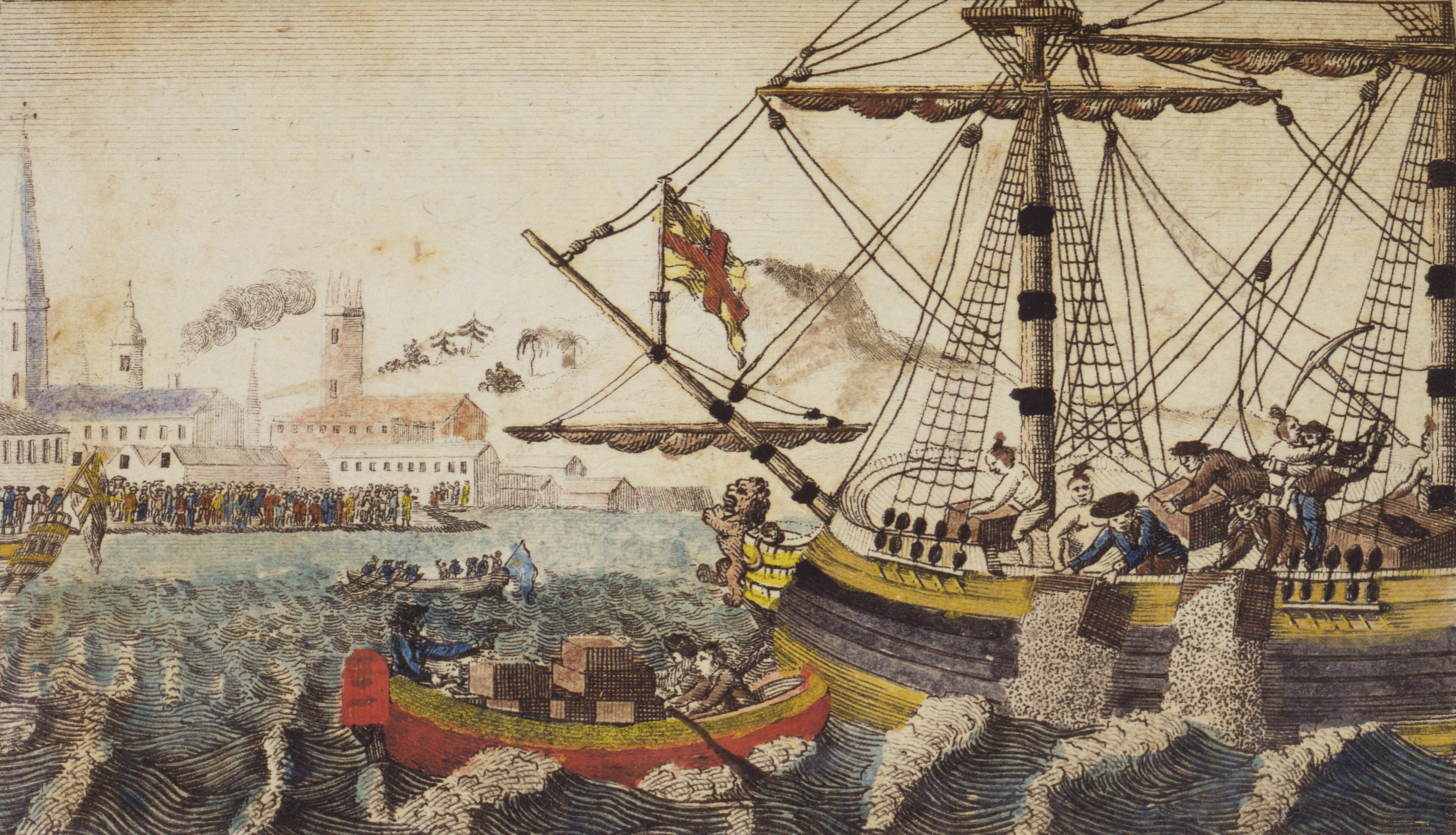
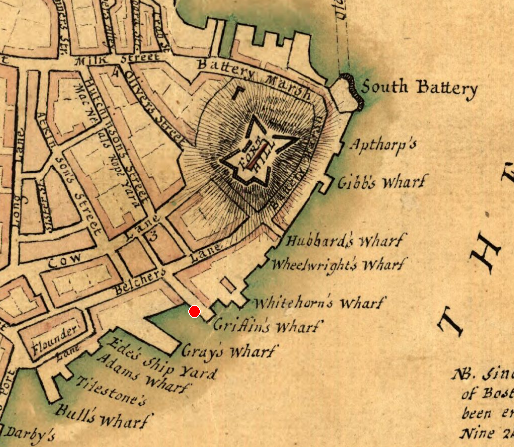
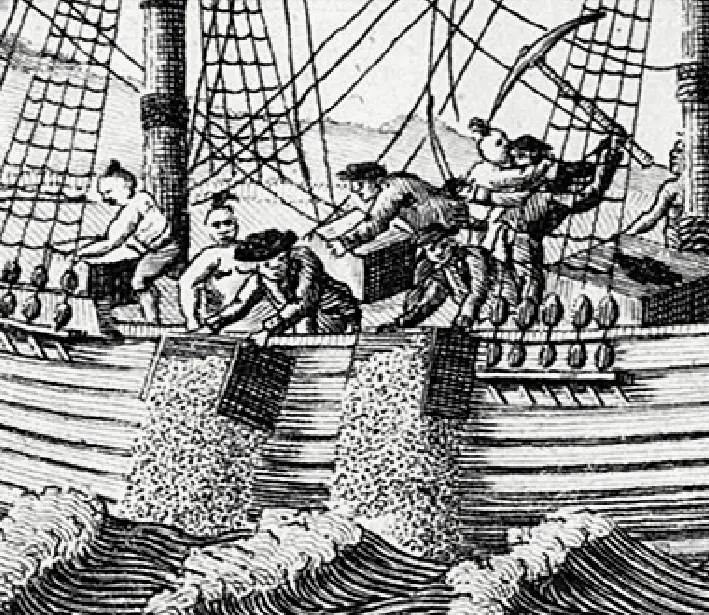
The Boston Tea Party was a defining moment in American history. On December 16, 1773, the Sons of Liberty, a revolutionary group in Boston, Massachusetts, destroyed an entire shipment of tea from the British East India Company. This was done in protest of the Tea Act of May 10 of that year, which had enforced the unpopular Townshend Acts—a series of laws which allowed England to tax the Colonies without fair representation in Parliament. Protesters cast chests of tea into Boston Harbor, an act of defiance which led to the Revolutionary War.
American colonists drank approximately 1.2 million pounds of tea each year. Seeking to make a profit off this popular commodity, Britain imposed a number of restrictive laws and taxes to create a monopoly in favor of British tea, outraging Americans and undercutting colonial tea suppliers. Colonists not only protested the tax, but the injustice of being taxed without having representatives in the British parliament.
The Boston Tea Party immediately escalated tensions between Great Britain and the American colonists. Britain responded in 1774 by closing the port of Boston and revoking local self-government in Massachusetts, laws the Americans referred to as “the Intolerable Acts.” Colonists convened the First Continental Congress and petitioned King George to repeal the acts, a direct challenge to British authority.
The Boston Tea Party was a dramatic act of civil disobedience that demonstrated to Great Britain the extent to which Americans were becoming increasingly united against Britain’s policies. The British response in Massachusetts made residents of the other twelve colonies fear the same punitive action could be taken against them, which led to an organized political movement that would eventually call for independence.
The first step to finding out whether your ancestors might have participated in, witnessed the Boston Tea Party, or were affected by its aftermath is to determine whether they lived in Boston or New England during the Revolutionary era. American Ancestors has resources and databases that can help you figure this out.
American Ancestors experts have created a free guide that teaches you how to look for your Revolutionary-era ancestor. If you have an ancestor of the right age living during the Revolutionary War, note his colony of residence—and, if he survived the war, note which state he lived in after the war.
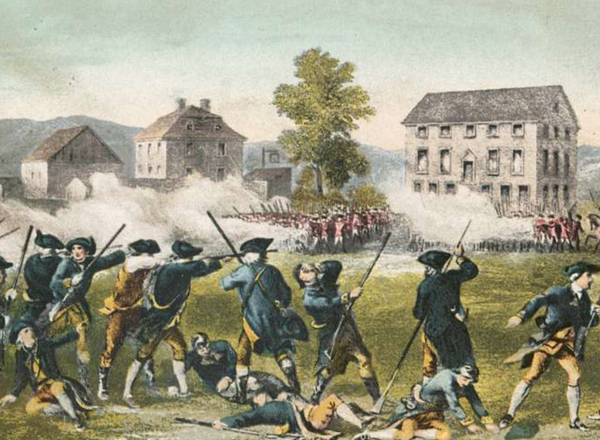
Search for your ancestors in American Ancestors’ historical records for colonial New England, which may help identify relatives who lived in Boston or New England during the years surrounding the Boston Tea Party. Our databases may help you uncover family names, locations, occupations, military service, and other details connected to Revolutionary-era communities.
Hampden County, MA: Black Families in Hampden County, 1650-1865
Massachusetts: Divided Hearts, Massachusetts Loyalists, 1765-1790
Massachusetts: Grand Lodge of Masons Membership Cards, 1733-1990
Massachusetts: Legislators of the General Court, 1691-1780
Massachusetts: Miscellaneous Census Substitutes, 1630-1788, 1840, 1890
Massachusetts: Vital Records, 1620-1850
Society of Colonial Wars in Massachusetts Membership Applications, 1560-1970
The following databases are made available to our members through our partner organizations. You must have an American Ancestors membership to access. Learn More
Early American Newspapers, Series I, 1690-1876
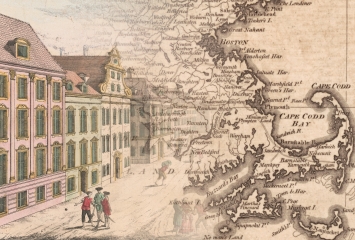
Knowing more about how to conduct research in Massachusetts can help you identify ancestors who might have lived there in the late 18th century.

Do you have ancestors who lived in Boston during the Revolution? You may be eligible to join a new society established in partnership with American Ancestors and the Boston Tea Party Ships & Museum.
Watch these free webinars to learn more about ways to discover ancestors who may have been participated in, or witnesses to the Boston Tea Party. Also, learn more about the lineage society honoring participants and witnesses of this historic event.

Join Pulitzer Prize-winning author Stacy Schiff for a revelatory look at her new work exploring the life and legacy of Samuel Adams.

Learn about early patterns of migration from New England to New York and onward to points west, and how you can trace your ancestors who moved through the Northeast.

Learn from epitaph expert John Hanson about how to interpret early New England gravestones and what they can tell us about our ancestors' lives.

Alongside its legendary military men, the women of the Howe family wielded unprecedented – and, until now, unexamined – influence on the British side of the American Revolution.

Whether your ancestors lived in New England in the 17th century or the 21st century, this presentation will give you the basic information to begin—and advance—your research into New England records.

For many living in New England during the 17th through 19th centuries, their livelihood and even survival was inextricably linked to the sea.

Becoming a member of the National Society Daughters of the American Revolution (NSDAR) is a wonderful way to honor and pay tribute to your ancestors who provided service during the American Revolutionary War (1775 – 1783).

Since its founding in 1630, the City of Boston has kept records pertaining to its citizens, including several unique resources.

In this webinar Chief Genealogist David Allen Lambert discusses how to get the most out of probate records with special emphasis on those resources available at the American Ancestors library and archives and online at AmericanAncestors.org.

Learn how to locate your ancestors who served during the Colonial Wars, the American Revolution, or the War of 1812.

Most New England towns began recording births, marriages, and deaths soon after settlement. Discover the New England vital record databases on AmericanAncestors.org and gain basic search tips.
Explore research guides, archival materials, and articles that can help you learn more about the Boston Tea Party and investigate potential family connections to Revolutionary-era New England.

American Ancestors Magazine, Summer 2010

American Ancestors Magazine, Summer 2010

American Ancestors Magazine, Summer 2010
Browse all items related to the Boston Tea Party
Hawkes, James. A retrospect of the Boston tea-party : with a memoir of George R. T. Hewes, a survivor of the little band of patriots who
drowned the tea in Boston harbour in 1773 / By a citizen of New-York... New-York S. S. Bliss, printer, 1834. https://library.nehgs.org/record=b1074743
Tea leaves: being a collection of letters and documents relating to the shipment of tea to the American colonies in the year 1773, by the East
India Tea Company. Now first printed from the original manuscript. With an introduction, notes, and biographical notices of the Boston
Tea Party, by Francis S. Drake. Boston, A.O. Crane, 1884. https://library.nehgs.org/record=b1083964
Wall, Caleb A. The historic Boston Tea Party of December 16, 1773 : Its men and objects: incidents leading to, accompanying, and following
the throwing overboard of the tea. Including a short account of the Boston Massacre of March 5, 1770. With patriotic lessons therefrom
adapted to the present time. Worcester, Mass.: Press of F.S. Blanchard, 1896. https://library.nehgs.org/record=b1074718
Thatcher, B. B. Traits of the tea party : being a memoir of George R.T. Hewes, one of the last of its survivors : with a history of that transaction,
reminiscences of the massacre, and the siege, and other stories of old times / by a Bostonian. New York : Harper & Brothers, 1835. https://library.nehgs.org/record=b1074742


