
Puritans in the 21st Century, a day-long symposium on Saturday, November 7, 2026, hosted by six of New England’s leading historical institutions, makes the case for 17th century Puritans. Do they still matter today? A stellar collection of Puritan and other scholars argues they do—that now, in the 21st century, understanding the Puritans and their legacy is more important than ever.
Held in honor of the historian Francis J. Bremer and open to public, this symposium asks what 17th century Puritan history in England and New England tells us about today’s politics and our understanding of religion and society. From Christian nationalism and the politics of slavery, from the 17th century toleration debate to pushing Puritan boundaries, Puritans in the 21st Century brings together insights and new research of award-winning academics and public historians. This is the first major gathering of Puritan scholars in more than two decades at a time when early American studies are changing dramatically. Together they ask: What is the future of Puritan studies? Why and how are Puritans important today?
How to Attend
Saturday, November 7, 8:30 AM - 5:15 PM ET (see a full agenda below)
If you registered for in-person attendance, please join us at:
American Ancestors
97 Newbury Street
Boston, MA 02116
Find directions, parking suggestions, and more here.
If you are joining us online, please click here: https://zoom.us/j/96769822470
Note: Only presentations will be broadcast to a remote audience. If you are unable to attend the live sessions for any reason, you will receive a recording of the event.
Agenda
| 8:30 AM | Check-in and refreshments |
| 9:00 AM | Welcome |
| 9:10 AM | Francis J. Bremer: Teacher, Mentor, Scholar, Across Two Centuries Daniel Richter, Roy F. and Jeannette P. Nichols Professor Emeritus of American History, University of Pennsylvania |
| 9:40 AM | Do the Puritans Matter? Francis J. Bremer, Professor Emeritus of History at Millersville University of Pennsylvania |
| 10:30 AM | Break and refreshments |
| 11:00 AM | Daniel Gookin and the Boundaries of Puritanism Adrian Chastain Weimer, Professor of History, Providence College |
| 12:00 PM | Lunch on your own |
| 1:30 PM | Puritans and Christian Nationalists John Coffey, Professor of History, University of Leicester, UK |
| 2:15 PM | More than Myth: Recovering Puritans Today Abram Van Engen, Stanley Elkin Professor in the Humanities and Director of the John C. Danforth Center on Religion and Politics, Washington University |
| 3:00 PM | Break |
| 3:30 PM | Panel Discussion: What's the Future of Puritan Studies?
|
| 5:00 PM | Concluding Remarks, Francis J. Bremer |
| 5:15 PM | End |
Session Descriptions & Speaker Bios
Francis J. Bremer: Teacher, Mentor, Scholar, Across Two Centuries
9:10 AM ET; Presented by Daniel K. Richter
"I have had the privilege of knowing Frank Bremer since I first entered his college classroom in the 1970s, a quarter-century before the turn of the millennium that is now itself a quarter-century old. I would never have become a professional historian had I not met him then. To a naïve kid from, but not of, Northern Kentucky, he was a strange and compelling phenomenon: a real human being with a real family and a real life who also wrote books. In 1976, just as I was heading off to graduate school, the first of those books—The Puritan Experiment—appeared. Now, in 2026, just as we gather to celebrate Frank’s career, the publication of a new edition provides an opportunity to put 50 years of teaching, mentoring, scholarship in context."
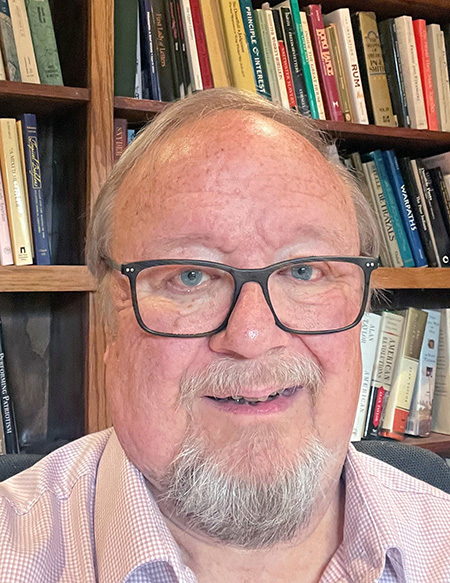
Daniel K. Richter is the Roy F. and Jeannette P. Nichols Professor of American History Emeritus and Director Emeritus of the McNeil Center for Early American Studies at the University of Pennsylvania. He is a contributor to the Oxford Handbook of Puritanism (2005) and the author of Native Americans and Pennsylvania (revised and expanded edition, 2026); Trade, Land, Power: The Struggle for Eastern North America (2013); Before the Revolution: America’s Ancient Pasts (2011); Facing East from Indian Country: A Native History of Early America (2001); and The Ordeal of the Longhouse: The Peoples of the Iroquois League in the Era of European Colonization (1992).
Do the Puritans Matter?
9:40 AM ET; Presented by Francis J. Bremer
The puritans have played an outsized role in shaping American culture—for better and for worse. As we search for further understanding of who they were and what their story means, we might bear in mind a statement made by Oliver Cromwell, one of the most famous puritans. When posing for his portrait he told the artist to depict him "warts and all." In examining the story of the puritans in the Atlantic world we can see many warts—including their legalization of slavery and their treatment of Indigenous peoples. But there are also aspects of their story that today we can learn from, and be inspired by: their concern for community over individual gain, their commitment to law, and their resistance to tyranny. How do we recognize the warts without making that the whole story? Francis J. Bremer has been investigating the puritans for more than 50 years. In this talk he will reflect on these and other questions.
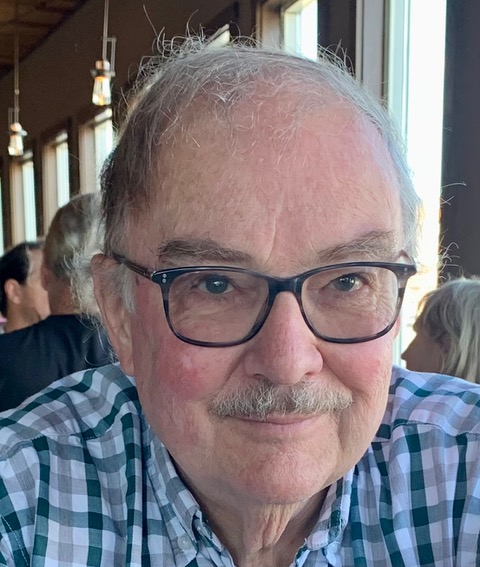
Francis J. Bremer is professor emeritus at Millersville University of Pennsylvania. He has held visiting positions at Oxford and Cambridge Universities in England and Trinity College in Dublin, Ireland. He is an elected member of the Massachusetts Historical Society, the Colonial Society of Massachusetts, and the American Antiquarian Society and served on the board of the Congregational Library & Archives. He is the author or editor of over 20 books and numerous articles dealing with the puritans in the 17th century Atlantic world, including John Winthrop: America's Forgotten Founding Father; Puritanism: A Short Introduction; Building a New Jerusalem: John Davenport, a Puritan in Three Worlds; Lay Empowerment and the Development of Puritanism; and One Small Candle: The Story of the Plymouth Puritans and the Beginning of English New England.
Daniel Gookin and the Boundaries of Puritanism
11:00 AM ET; Presented by Adrian Chastain Weimer
Raised in Ireland, the son of an early Virginia investor, Daniel Gookin (1612-1687) offers a remarkable opportunity to think afresh about the boundaries of the Puritan movement. After moving from the Chesapeake to Roxbury in 1644, he served as magistrate, judge, lay preacher, and Superintendent of Indian Affairs for the Massachusetts Bay Colony. During the charter crisis of the 1680s, Gookin responded in creative ways to accusations of Massachusetts Bay's intolerance toward Prayer Book worship and Quakerism. And he spent an extraordinary amount of time in the homes of "Praying Indian" leaders such as Wuttasacomponom, working alongside them to advocate for a more inclusive legal system. Gookin and his interlocutors help us to reexamine how puritans in New England—both English and Native—understood the possibilities of coexistence, even as they participated in the region's devastating wars.
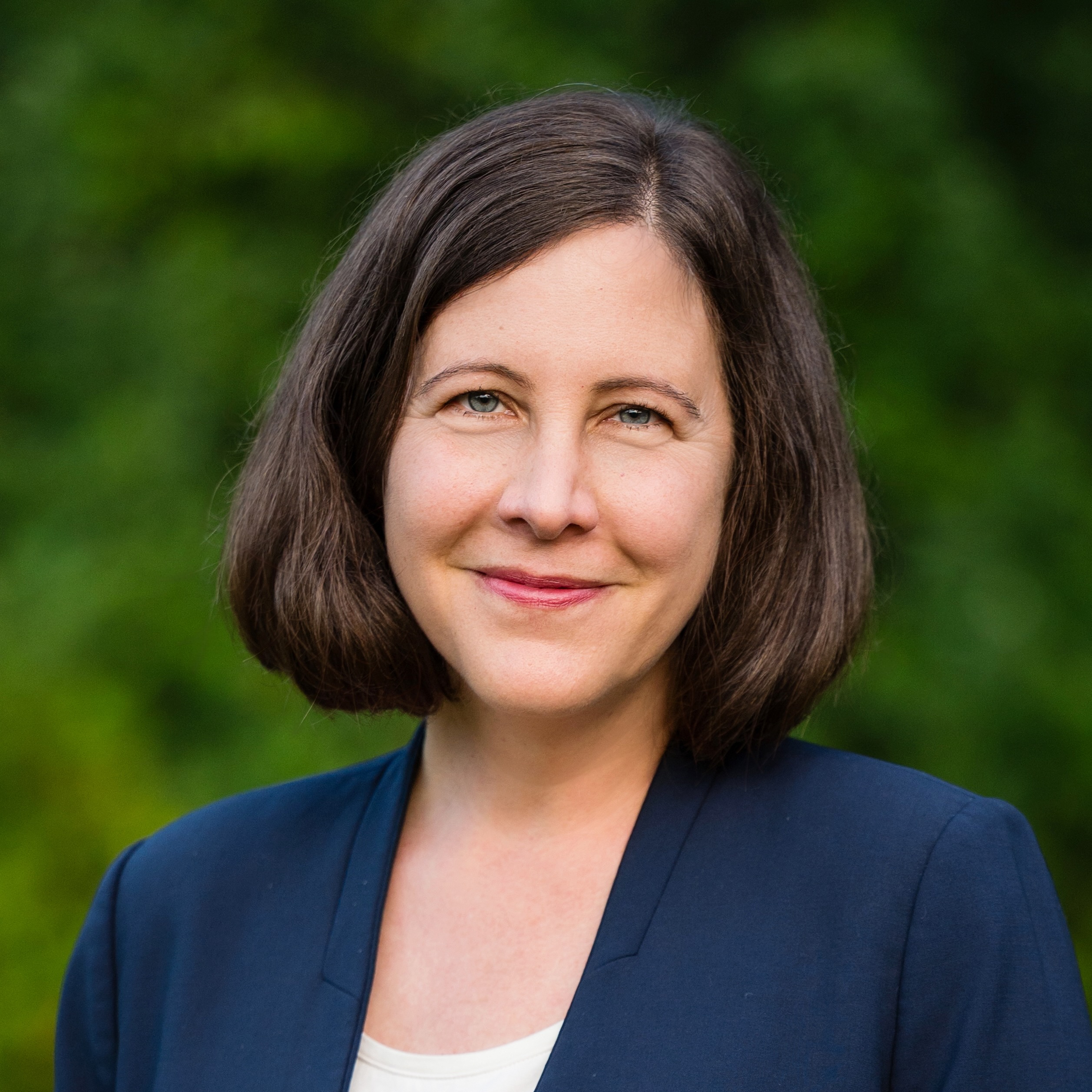
Adrian Chastain Weimer is Professor of History at Providence College. She recently published a co-edited volume with David Hall, The Writings of Daniel Gookin and Allied Documents (2026). Her latest monograph, A Constitutional Culture: New England and the Struggle Against Arbitrary Rule in the Restoration Empire, was awarded the Winthrop Prize. A 2025 Longterm Fellowship at the John Carter Brown Library allowed her to launch a new project on Anglo-Indigenous diplomacy between the Mohawk and Kennebec Rivers, 1650-1690.
Puritans and Christian Nationalism
1:30 PM ET; Presented by John Coffey
In recent years, Christian Nationalists have cited the puritans to support their vision of a godly America. One can see why. In both England and New England, puritans sought to create a model Christian commonwealth. Yet the first great toleration debate in the Anglophone world emerged among puritans during the English Civil Wars. This debate raised fundamental questions about the confessional state and the very idea of a Christian nation. Some writers even began to envisage a multi-confessional society governed by magistrates whose purview was merely civil, not religious. This keynote revisits the puritan toleration controversy in the light of 21st-century scholarship and Christian Nationalism.
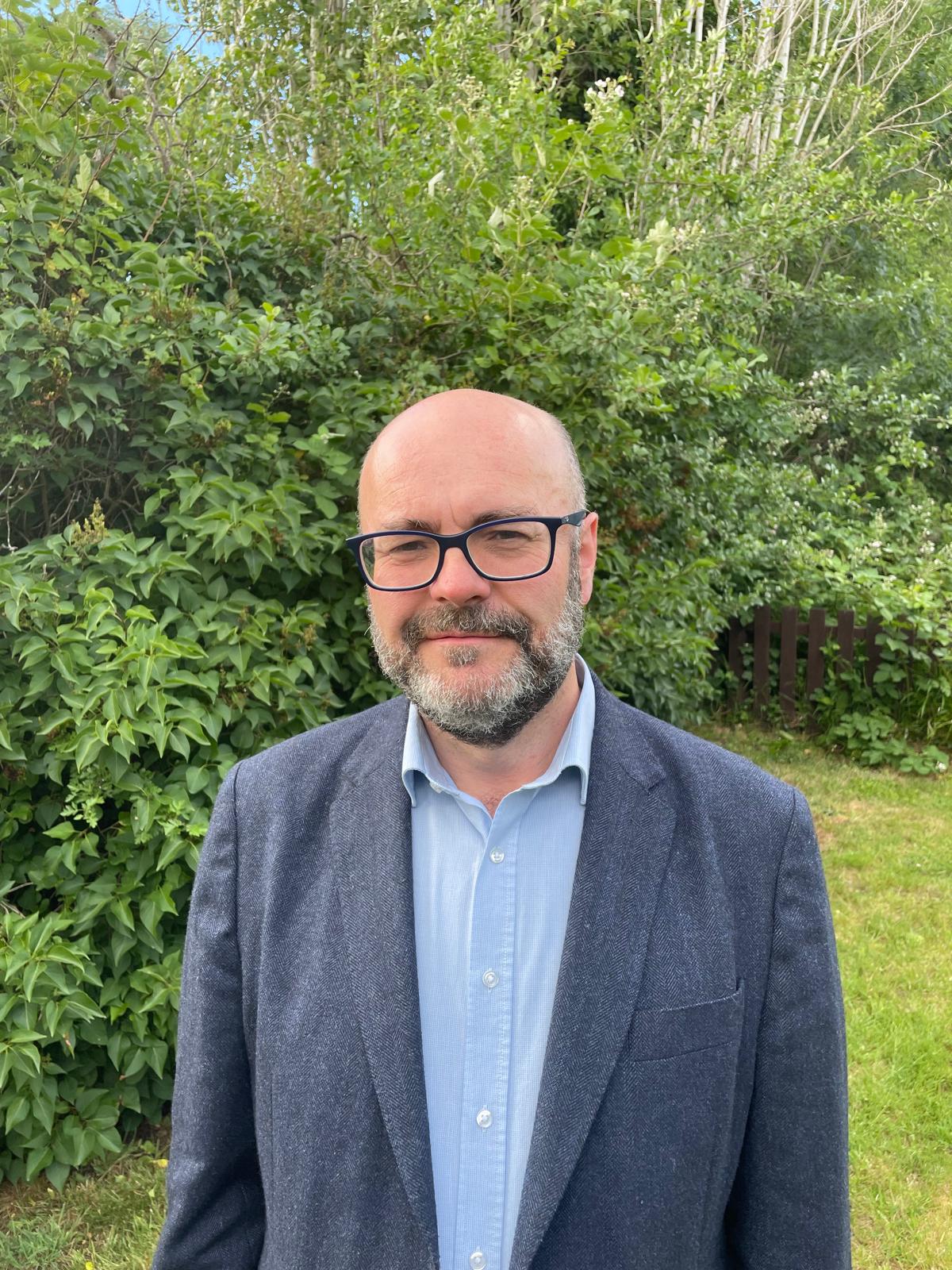
John Coffey taught for 25 years at the University of Leicester in the UK. As of August 2026, he takes up a post at the University of Texas at Austin. He works on religion, politics, and ideas in the Protestant Atlantic world between 1600 and 1850. Coffey is the author of four monographs: intellectual biographies of the Scottish Covenanter Samuel Rutherford and the English puritan John Goodwin; Persecution and Toleration in Protestant England, 1558-1689; and Exodus and Liberation: Deliverance Politics from John Calvin to Martin Luther King Jr. He has edited or co-edited other works, including The Cambridge Companion to Puritanism, The Oxford History of Protestant Dissenting Traditions: The Post-Reformation, and Seeing Things Their Way: Intellectual History and the Return of Religion. He was part of the editorial team that produced the prize-winning five-volume edition of Richard Baxter's Reliquiae Baxterianae, and is currently leading a team working on another Oxford University Press edition, the million-word Diaries and Journals of William Wilberforce (in preparation).
More Than Myth: Recovering Puritans in the Present Day
2:15 PM ET; Presented by Abram Van Engen
Following the American Revolution, Pilgrims and puritans were mythologized into the nation’s origin story—a heroic tale of freedom that established the new country’s identity. That myth was immediately contested by a second: puritans as hypocrites and bigots, a persecuting prison from which all had to escape. Recently, many scholars have tried to set both myths aside by simply shifting attention elsewhere. In this climate, what do we gain by keeping the attention on them? How do Americans today responsibly recover the puritans and what do they offer us in present day? This talk tracks the histories of myth and poses a way to think about puritans as human beings—far more than any myth—whose culture contains ongoing significance for American society.
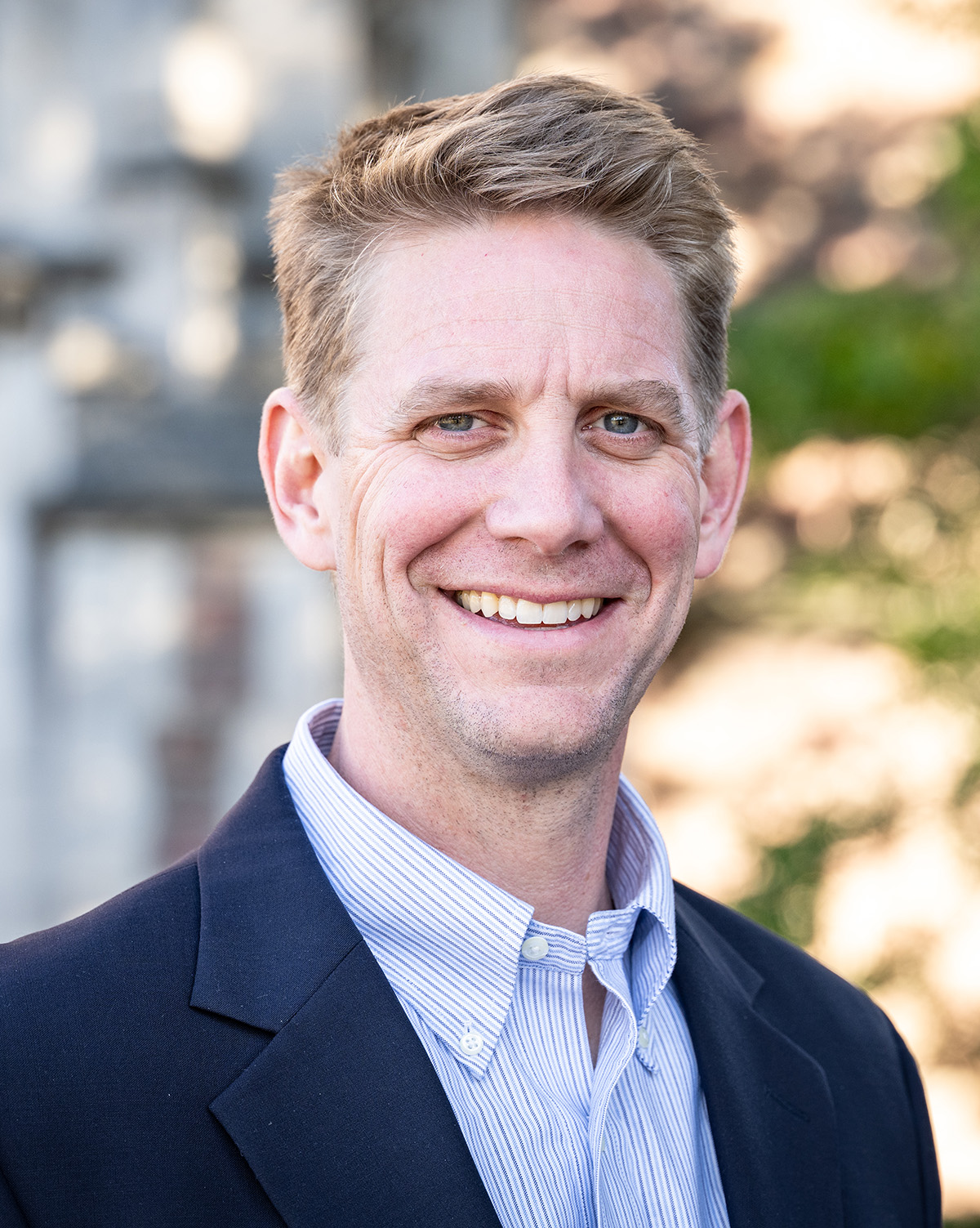
Abram Van Engen is Stanley Elkin Professor in the Humanities and Director of the John C. Danforth Center on Religion and Politics at Washington University in St. Louis. He is the author of Sympathetic Puritans (2015) and City on a Hill: A History of American Exceptionalism (2020), which won the Peter J. Gomes Memorial Book Award and the Pelikan Award. He has also co-edited A History of American Puritan Literature (2020). His most recent book is Word Made Fresh: An Invitation to Poetry for the Church (2024), which was named the best book of 2024 in culture, poetry, and the arts from Christianity Today. His research and writing have appeared in multiple magazines and journals, and his work teaching poetry has expanded into an award-winning podcast called Poetry For All.
Panel Discussion: What's the Future of Puritan Studies?
3:30 PM ET; Moderated by David D. Hall
Early American history and cultural studies used to mean Puritan studies. Now it means much more, including studies of and by Native Americans, African Americans, and many other groups. At the same time, the study of early American Puritanism has been embraced by Protestant evangelicals and advocates of Christian Nationalism. The former are uncritical of the history of the Puritan movement; the latter distort it. Additionally, the field of traditional church history is declining, with major universities no longer hiring historians of the Reformation or theologians. These factors need to be considered when we ask: what's the future of Puritan studies?
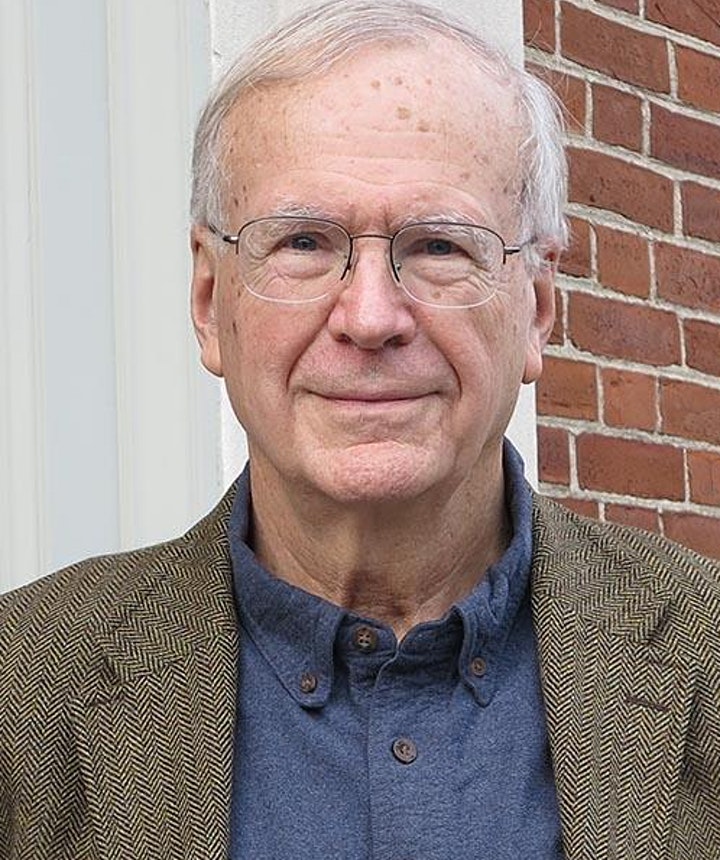
After earning his PhD in American Studies at Yale, David D. Hall taught there until 1970, when he moved to Boston University to serve as the initial chair of a new doctoral program, American and New England Studies. In 1989, he moved to Harvard Divinity School. The religious history of early modern Britain and New England have been central to his work, although he also became engaged in the emerging field of book history that led to the founding of a center for book history at the American Antiquarian Society and a five-volume history of the book in America, of which he was general editor. David Hall is author of the groundbreaking books Worlds of Wonder, Days of Judgment: Popular Religious Beliefs in Early New England (1989); A Reforming People: Puritanism and the Transformation of Public Life in New England (2012); and the magisterial The Puritans: A Transatlantic History (2019).
Within this subject, our panelists will discuss . . .
Puritans and the 17th-Century Struggle Over Authoritarian Rule and Slavery in England and its New World Empire, Presented by Holly Brewer
Puritans in both old and new England played pivotal roles in England's two 17th-century revolutions against Stuart kings who argued for their divine right to rule. Reconsidering the Puritan contributions to theories and practices of democracy and resistance to authoritarian rule within the theological debates of the 17th century seems more pressing than ever, as we return to a world in which simplistic religious instruction becomes increasingly a part of the political order (e.g., Louisiana's new law about the ten commandments, and their official posters to be placed in every classroom comparing Speaker Mike Johnson to Moses the Lawgiver). Taking Puritan theological debates seriously in terms of their political connotations is critical to understanding and unpacking the political order today.
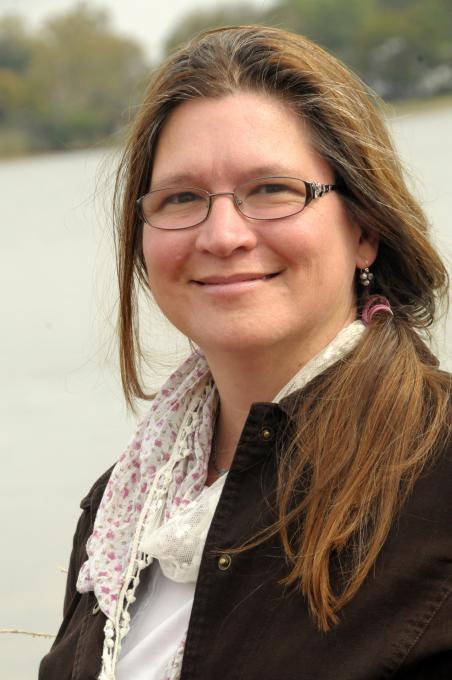
Holly Brewer is Burke Professor of American History and Associate Professor at the University of Maryland. She is a specialist in the early British empire in the Americas as well as early modern debates about justice. Her first book traced the origin and impact of "democratical" ideas across the empire by examining debates about consent in theory and legal practice. By Birth or Consent: Children, Law, and the Anglo-American Revolution in Authority (2005) won three prizes. Her upcoming book, The Kings’ Slaves: The British Empire and the Origins of American Slavery (2027) is based on 20 years of research about the connections between religious and ideological debates over power and their impact on legal practice in the 17th and 18th centuries. A winner of multiple awards, Holly Brewer is also a writer of amicus briefs for the Supreme Court and the project director and lead editor of the website slaverylawpower.org.
Puritans and American Civics: The View from Texas, Presented by Neal Dugre
Scoping out the future of puritan studies involves consideration of not only new research questions, but also the audience for such work. Outside New England, most American encounters with puritanism are confined to the K-12 classroom. What do future teachers and students need from puritan studies? Examining how and where puritans intersect with state learning standards offers valuable clues about how future histories of puritan politics and community formation may resonate with the national narratives central to civics education in the United States.
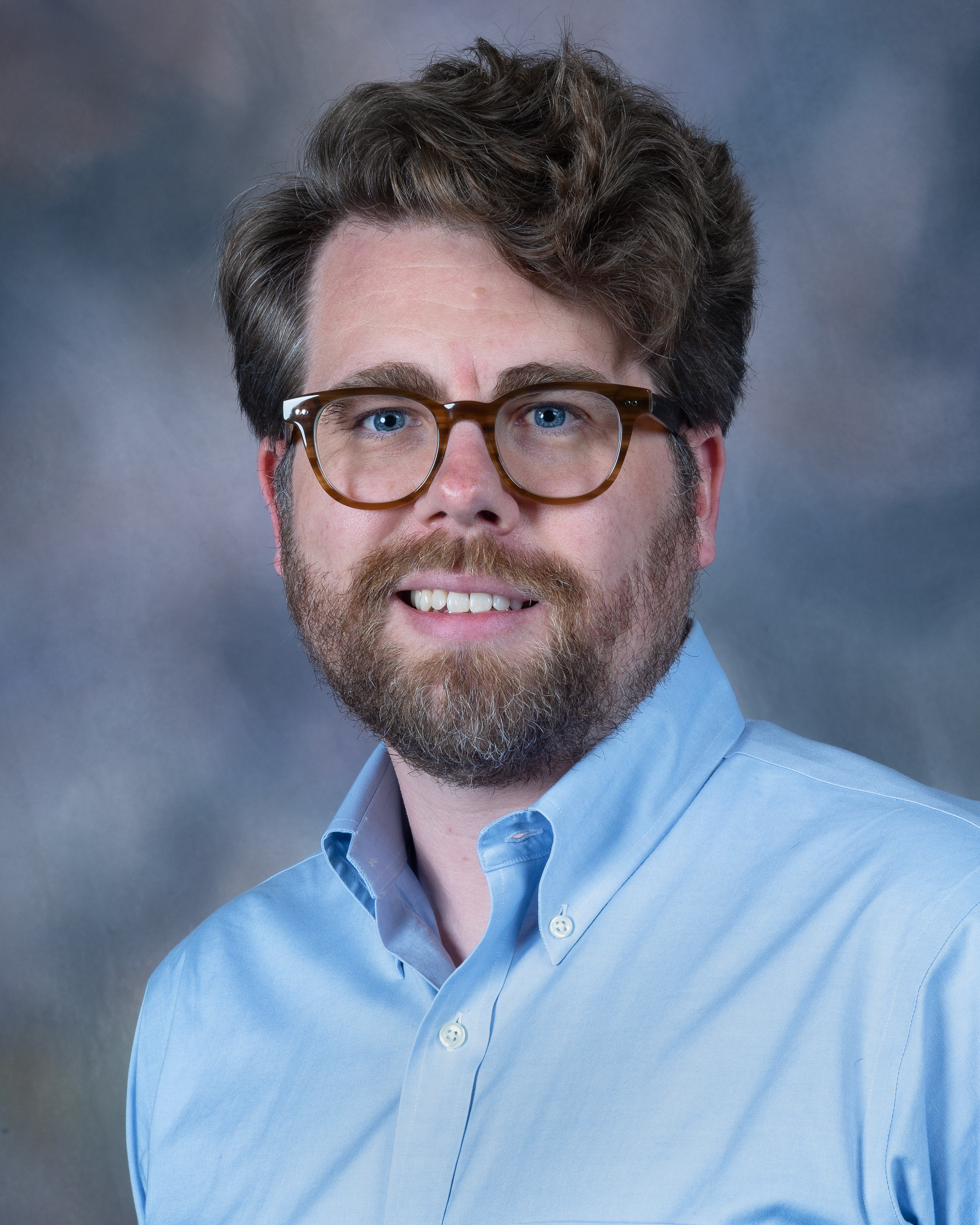
Neal Dugre is Associate Professor of Early American History and Chair of the Department of Humanities and Fine Arts at the University of Houston–Clear Lake. His current book project, titled Confederate New England: The Political Anatomy of an Early American Region, explores the relationship between confederal politics and puritan colonialism in the 17th century northeast. Fellowships from the American Historical Association, Massachusetts Historical Society, New Netherland Institute, and other organizations have facilitated this research. Neal’s 2018 New England Quarterly article, “Repairing the Breach: Puritan Expansion, Commonwealth Formation, and the Origins of the United Colonies of New England, 1630–1643,” received the Walter Muir Whitehill Prize in Early American History.
Puritan Word Play, Presented by Meredith Neuman
An attentive Puritan spent many thousands of hours in the meeting house listening to sermons. How did exposure to so much high-level scriptural interpretation affect the way the “average” Puritan thought about themself in relation to this world and the next? Learning how to talk about one’s self in relation to preached doctrine was crucial not only to one’s hope of salvation but also to one’s place in society. Breaking scripture down and playing with language (as they saw the ministers do) also turns out to have been a hard habit to break, as shown by all kinds of lay writing, especially poetry. When creative-minded Puritans turned their attention to verse, the results could be surprisingly playful (relatively speaking), even witty, often clumsy, but nevertheless earnestly pious. There was more at stake in poetry than rhymes, as ordinary people explored the capacity of human language to reveal spiritual truths. To a Puritan, pious word play was a means to test whether or not human language could aid in the elusive work of salvation. For us today, their curious verses about spiritual striving are a window into the psyches of people (not entirely unlike ourselves) constantly seeking to understand themselves in complex relation to the world around them.
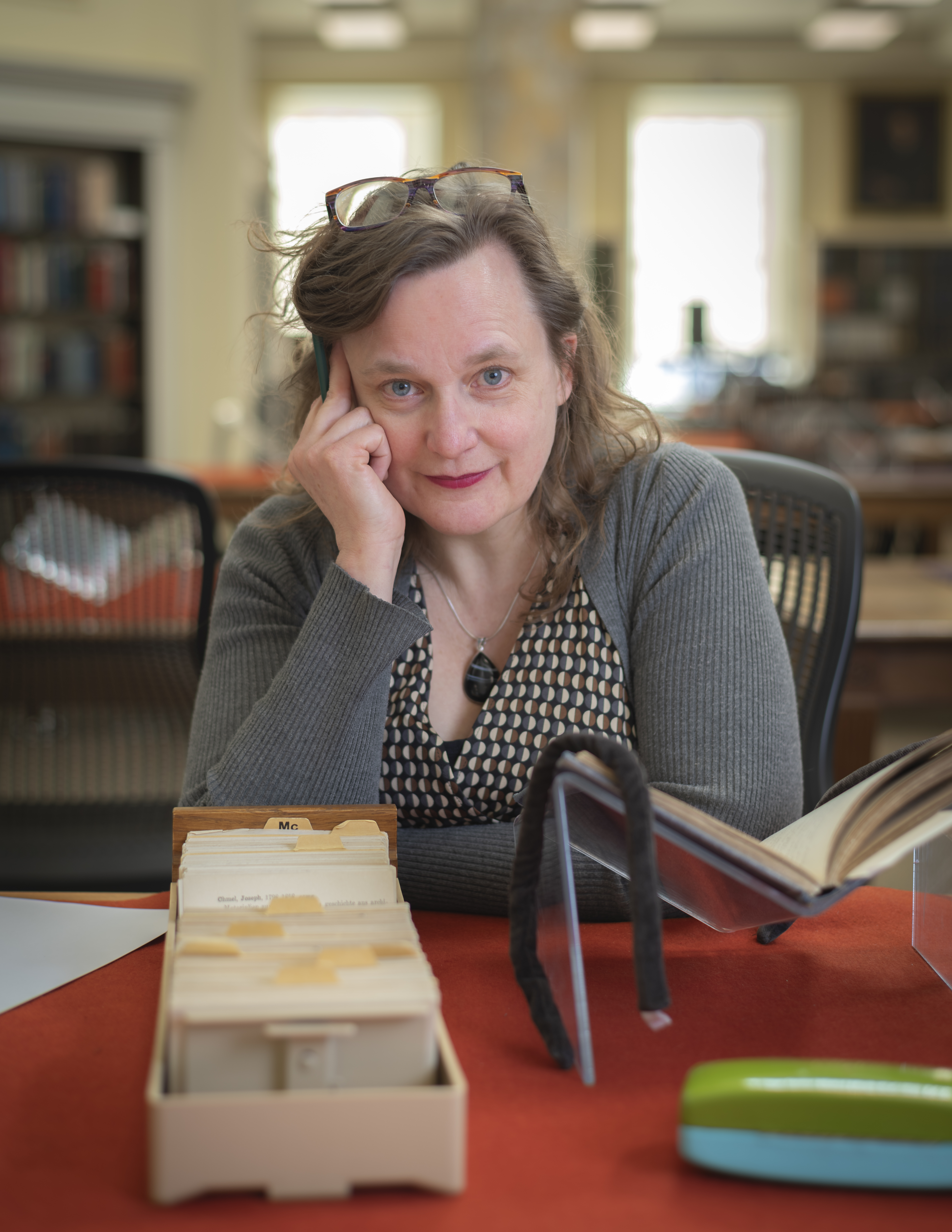
Meredith Neuman teaches and researches in the fields of early American literature and book history. Her research centers around archival print and manuscript sources—ranging from notebooks kept by Puritans when they were listening to sermons, to amateur manuscript poetry, to readers’ marks in print books, to the history and context of the Mather family’s vast personal library. She is associate professor in the English department at Clark University, where she holds hands-on workshops with materials at the American Antiquarian Society; campus special collections are a common feature of her seminars. Her first book, Jeremiah’s Scribes: Creating Sermon Literature in Puritan New England (2013), explores the world of sermon notetaking, shifting attention from pulpit to pew, demonstrating how sermon auditors helped shape this dominant genre of Puritan literature. In her current book project, she endeavors to get to the bottom of that persistent question, “What’s the Matter with Early American Poetry?”
How Can We “Shine More Light”?, Presented by Lori Rogers-Stokes
New England Puritan studies are experiencing a renaissance. Stereotypes are falling in the scholarly world as puritans are studied in relationship with Indigenous people, Black people, and the enslaved. Even our understanding of mainstays like "the minister" and "the goodwife" is being steadily improved as we find "more light," as they would say, about who these people "really were". But that light is strictly limited to scholars. The general public has not budged an inch from its negative assessment of the Puritans. Does this matter? If so, how can we shine more light on them with the public that holds them in such contempt? If not, what is our purpose moving forward?
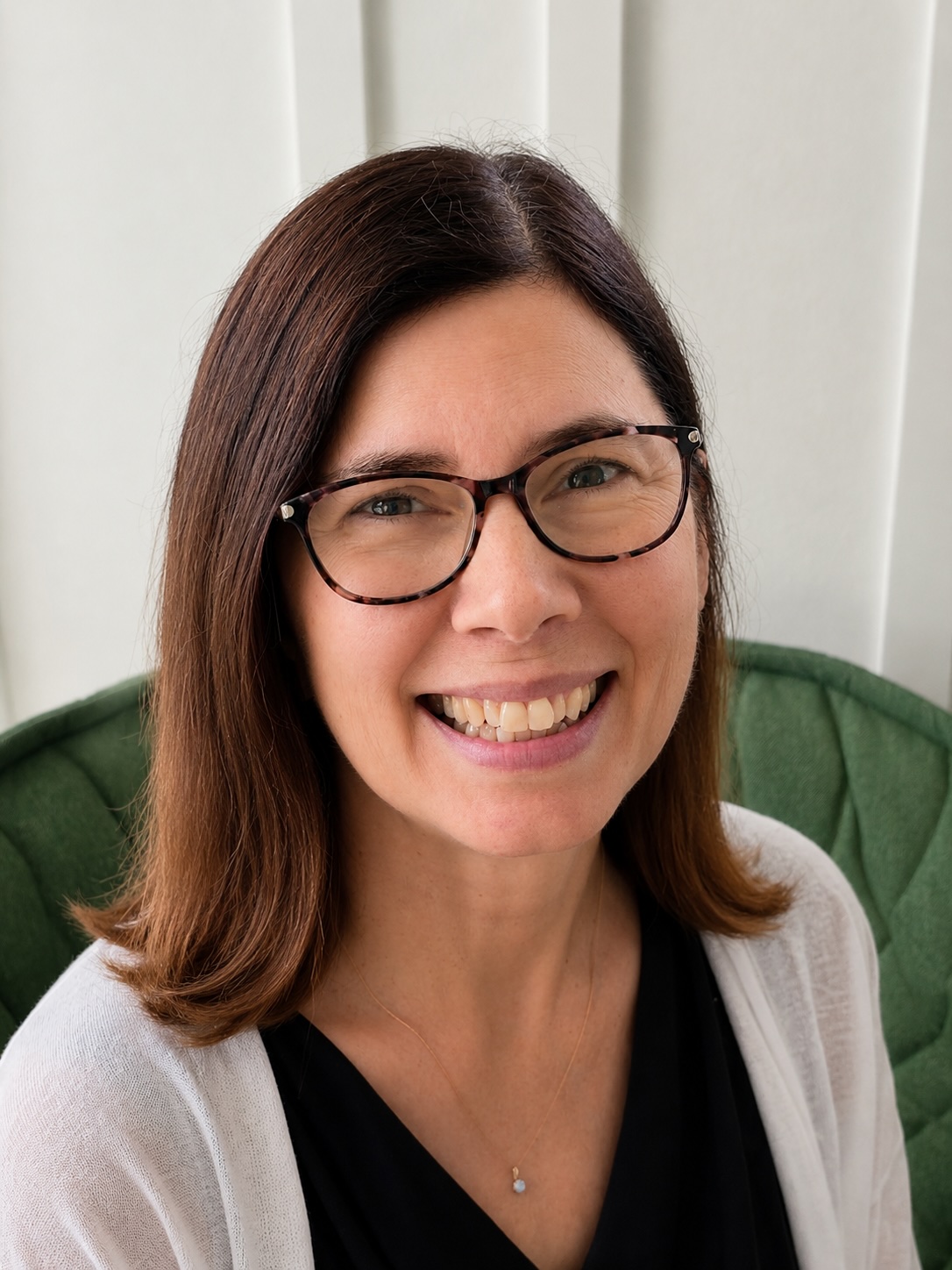
Lori Rogers-Stokes is an independent scholar, public historian, and contributing editor for New England’s Hidden Histories, a digital history project on colonial-era Congregational church records. She is the author of two books on the Puritans: Records of Trial from Thomas Shepard’s Church in Cambridge, 1638-49: Heroic Souls (2020), and Gathered into a Church: Indigenous-English Congregationalism in Woodland New England (2025). Lori studies the history of Woodland New England, when Indigenous and English people took actions that continue to shape our lives today.
About the Host Organizations

American Ancestors is a national nonprofit center for family history, heritage, and culture based in Boston, that has been setting the gold standard for family history research since its founding in 1845. To advance the study of family history in America and beyond, we educate, inspire, and connect people through our scholarship, collections, and expertise.

The Colonial Society of Massachusetts is a scholarly organization that publishes primary documents of early American history. We are proud to have included Frank Bremer as a member since 1994.
The Congregational Library & Archives is a thriving, internationally recognized research center serving professional historians, church members, and anyone wanting to understand more about a religious tradition that has deeply informed American history and culture.
Founded in 1630, First Church Boston is the oldest congregation in the original city limits. In our nearly four centuries, we have moved from our Puritan roots to become a liberal Unitarian Universalist congregation today.

Founded in 1791 as the nation’s first historical society, the Massachusetts Historical Society is one of the greatest repositories of American history, life, and culture.
The Partnership of Historic Bostons is New England’s only public history organization focusing solely on the 17th century. We tell the story of all its people, from enslaved Africans and Scottish indentures to Indigenous people and Puritans.